
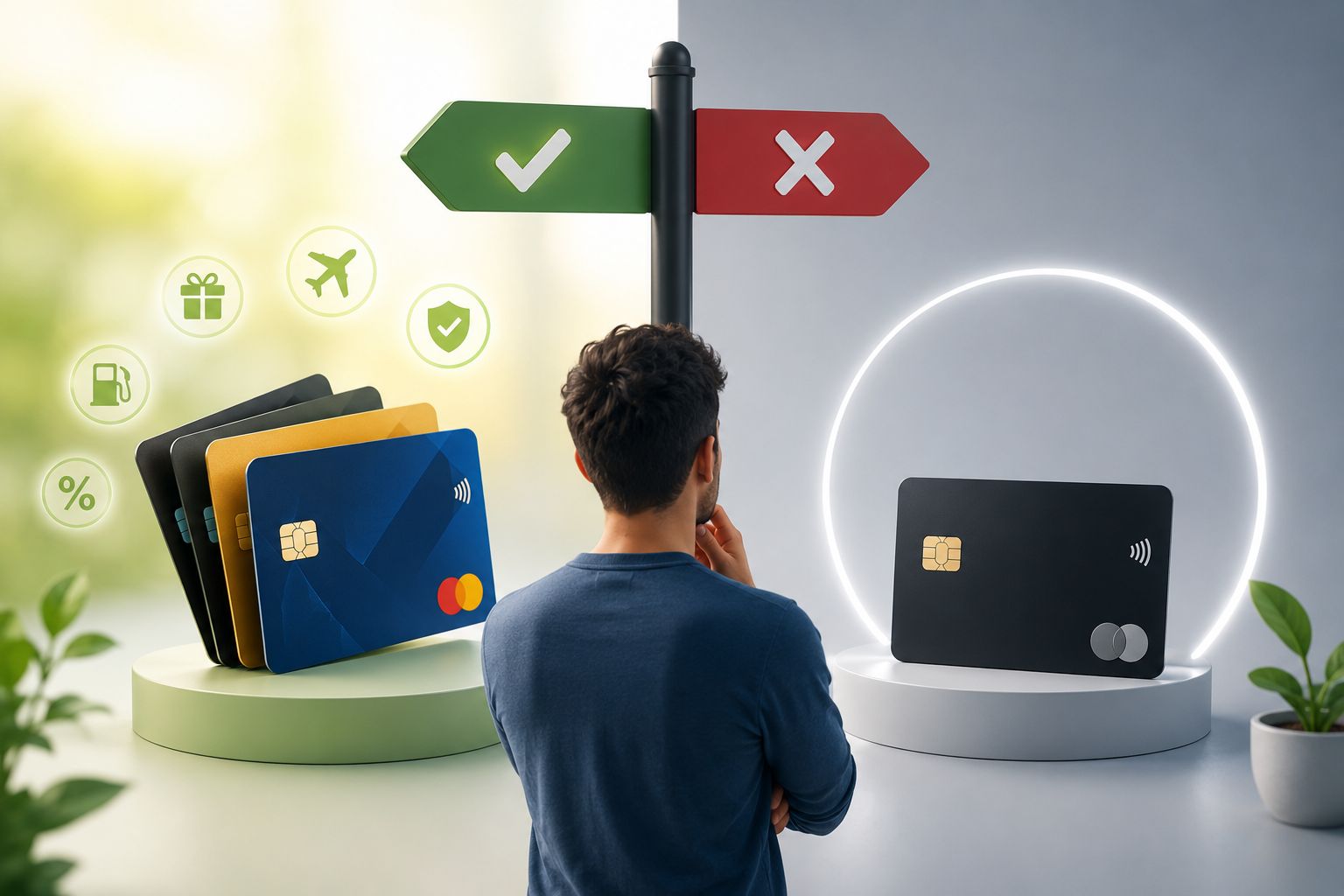
Deciding whether to have more than one credit card can be tricky. On one hand, multiple cards can earn you more rewards and boost your credit score (by increasing your total credit limit). On the other hand, they come with risks like overspending and missed payments.
Let’s explore the benefits and drawbacks of holding multiple credit cards, so you can make an informed choice for your financial lifestyle.
The Pros
You Can Maximise Your Rewards
With multiple credit cards, you can maximise your rewards. Some cards offer travel rewards, while others may offer cash back or 0 interest on purchases.
Based on your goals, you can use your multiple cards smartly to upkeep your lifestyle. The hack is to choose the right mix of credit cards and check which card is suitable for maximum spending.
Having multiple cards in such a situation can be helpful. However, don’t forget what the experts say – Use less than 30% of your overall credit limit.
Multiple Credit Cards = Increased Credit Limit = Lower Credit Utilisation Ratio
Every card you get increases your credit limit. This is important for a lower credit utilisation ratio. Since you have more than one card, your overall credit limit increases, even when your balance remains the same.
Let us understand this with 2 different situations —
Situation 1 – You have a credit card with a credit limit of AED 10,000 and end up spending 60% of the limit. This increases your credit utilisation ratio, hurting your credit score.
Situation 2 – If you have two cards with a credit limit of AED 10,000 each and use them for AED 6,0000 spending, the utilisation ratio drops to 30% (ensuring a sound credit health).
More Financial Flexibility
Multiple cards help you afford your daily expenses as well as emergency expenses. In case you run into emergency expenses, you can rely on your credit cards.
With multiple cards, you can split multiple bills, ensuring your card limit is not exploited. However, don’t overspend.
Cards As Backup
Having more than one credit card can be helpful if one of your other cards is lost or stolen. You can also save on a high-interest rate by moving a card balance from a higher-interest card to a lower one.
The Cons
Risk of Overspending
With multiple credit cards, there is a risk of impulsive spending, especially if you don’t have a set budget. More cards mean more credit, which creates an illusion of more funds than what actually exists in real time. This can create revolving debt as you pay off balances on multiple cards and pay high interest rates.
Expert Tip to Use Card Smartly: Prepare a solid, real-time budget to use multiple cards like a pro. Avoid emotional spending. A credit card is a borrowing tool, not an instrument for savings.
Payment Tracking can be Difficult
It can be difficult to keep track of multiple credit card bill payment due dates. Missing even one payment can lead you to incur late fees and penalties, not to mention paying a high interest rate on the balance.
Repeatedly missing out on payments can damage your credit score.
Expert Tip: Set up auto-debits with your bank account to pay your multiple card bills. Set debit for all the due dates.
High Annual Fees can Overlap Benefits
Multiple credit cards can be a problem if the fees outweigh the benefits. If you are paying high annual fees for multiple cards with the same benefits, you are essentially wasting money.
Expert Tip: Compare your options, and weigh the annual fee against the benefits. Rather than switching multiple provider websites, compare options under one roof on third-party aggregators like Paisabazaar.ae. This way, you can get the right credit cards that suit your needs while ensuring your budget remains on the winning end.
Final Verdict: Multiple Credit Cards – Yes or No?
While there is no limit on holding multiple credit cards, using them correctly is a boon. Experts recommend having no more than 2 to 3 cards, usually from different banks, to make the most of rewards.
Understand that the credit card requirement largely depends on your personal needs and lifestyle. Using your card smartly can help you take advantage of the benefits. Pay card balance on time and in full, check the fees and benefits, and set auto-debits to pay bills on time.