
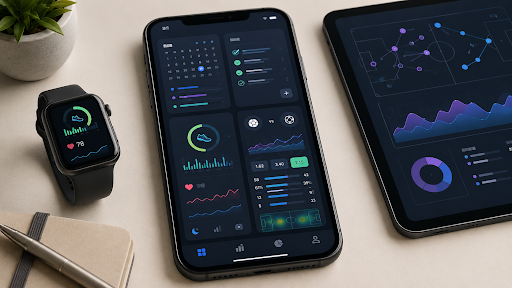
When Alexander Graham Bell patented the telephone in 1876, he certainly didn’t expect what it would become in the 21st century. Today, the smartphone has become a universal tool for tackling daily tasks. It helps you plan your activities, track your expenses, and store important information. The mobile 1xBet download is also one example of an app that may provide sports information and available statistics.
In this way, a single mobile device combines calendars, task managers, mobile banking, notes, and sports resources.
Smartphones and Apps for Various Aspects of Life
According to Global Findex 2025, 86% of adults worldwide own a mobile phone, while 68% own a smartphone. This shows how widespread mobile devices have become, and ownership is still growing. A report from the International Telecommunication Union also found that mobile-phone ownership exceeds 95% in wealthier countries. The percentage is lower in low-income countries, but mobile phones remain one of the most widely used forms of technology. So, why are smartphones so important? It is not only about staying connected.
It is apps that have turned the smartphone into a pocket-sized assistant. A single small, flat box with a color screen contains almost everything a person needs on a daily basis. Each individual app is a small tool. However, together they form a broader system. And it is this system that helps you remember everything and keeps your to-do list organized. The most commonly used app categories are described below.
Calendars and Planners
The most common mobile tools for time management. They help you create events, set reminders, and keep track of scheduled tasks. These apps let you add meetings and important events, organize tasks by date and time, and receive automatic reminders. The main advantage of calendars is that they help you structure information. You don’t need to keep your plans in your head or write them down by hand.
Financial and Banking Services
Mobile applications have improved the way people manage money and understand where it goes. Many include built-in tools for categorizing and analyzing financial transactions. Reports can also be generated, which may help users better understand their own budget limits.
Note-Taking Apps
Highly popular, these apps usually have a relatively simple design and purpose. That simplicity makes them convenient, giving users somewhere to store all the bright ideas and thoughts that come up throughout the day.
Sports Services and Analytics Platforms
Betting apps can be used to obtain, analyze, and track current sports information through a mobile device. These apps have made sports betting easier to follow without requiring access to a desktop computer.
That can be useful when someone is away from home or simply doesn’t want to keep several tabs open at once. A single app may show the score, team news, lineup changes, and available odds in one place, so the user can follow what is happening without constantly switching between different sources.
How Often Do People Use Apps?
The average American was found to check their phone 186 times per day. This is estimated to be about once every five minutes during waking hours. The number of phone checks is lower than in the previous study, but it still shows how often people return to their phones.
Your digital life is only an arm’s length away when you start your day. Waking up to an alarm, a digital calendar, and daily messages has taken morning planning to a whole new level. Notifications also play a role: 76% of people reportedly check their phones within five minutes of receiving one. That means you are part of a very large group of people whose phones alert them and help shape the start of their day.
You may be part of that statistic, but the real question is where all that attention goes. Another study from GetPanto reported that 142.2 billion mobile apps and games were downloaded worldwide in 2025. The figure suggests that consumers may see mobile apps as more than a fun distraction or form of entertainment. Mobile apps have become tools people use to organize and plan their day at work, at home, and in their personal lives.
How Different Apps Work Together
In reality, the popularity of mobile apps isn’t just about the number of features. What’s far more important is how they complement each other. People don’t need to open ten different devices or notebooks. A single smartphone is enough to view their daily schedule, check their budget, find their shopping list, and remember to go for an evening walk.
Another good example is collaborative use and planning. When several people use a shared calendar, it’s much easier to coordinate schedules. This is useful for both work and personal matters. In the workplace, these services help you:
- manage collaborative projects;
- submit and receive reports;
- make adjustments;
- hold online meetings;
- correspond and place orders.
At home, too, it all depends on the situation. For example, you can:
- create a shopping list and share it;
- add tickets or reservations to the calendar;
- plan sports events and activities;
- set reminders;
- allocate a budget and track expenses.
Yes, these are small things. Individual examples may seem insignificant. But with regular use, mobile apps can save a significant amount of time.