
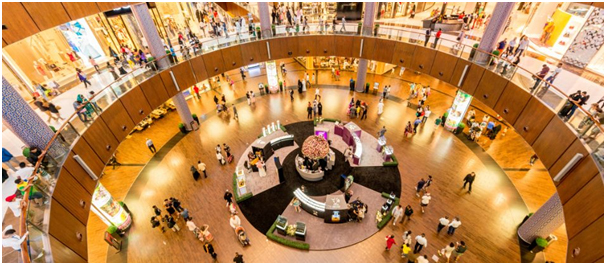
Dubai’s shopping malls have long been more than places to buy luxury goods. They operate as global stages where tourism, entertainment, and retail blend into a single experience. From large-scale festivals to immersive attractions, these spaces are designed to hold attention and extend visitor dwell time. Against this backdrop, a quiet but interesting conversation has emerged around how malls might one day align with online casino brands, not as a present reality, but as a future-facing strategy aimed at global shoppers rather than local participation.
Retail destinations evolving beyond traditional commerce
Dubai’s leading malls increasingly resemble miniature cities. They host concerts, pop-up art installations, esports tournaments, interactive brand showcases, all folded into the same physical space. It’s part of a wider shift in retail, where the experience itself now matters just as much as what’s actually for sale. Shoppers aren’t simply browsing shelves anymore. They’re stepping into experiences, stories, small challenges, bits of reward, that turn an ordinary visit into something people actually remember.
Within this environment, the idea of gaming-inspired partnerships surfaces naturally. References to concepts such as online slots appear not as calls to action, but as part of a wider discussion about digital entertainment ecosystems that global visitors already recognise. For international tourists, especially those familiar with regulated casino resorts elsewhere, these associations feel less foreign and more like extensions of existing leisure habits.
Regulation shaping the pace and direction of collaboration
Any discussion of partnerships in this space is closely tied to regulation. The UAE has taken visible steps toward creating a structured framework for commercial gaming oversight, signalling cautious long-term intent while maintaining clear boundaries. Integrated resorts under development in the wider region, alongside the establishment of dedicated regulatory bodies, suggest that gaming is being considered as part of a broader tourism and hospitality strategy.
For shopping malls, this means patience and positioning rather than immediate execution. The emphasis today is on readiness: understanding compliance expectations, cultural considerations, and how future partnerships might be framed around entertainment, travel, and loyalty rather than wagering itself. It is a careful balancing act, one that prioritises alignment with national vision over short-term experimentation.
Loyalty programs as a natural meeting point
One of the most practical bridges between malls and online casino brands lies in loyalty ecosystems. Dubai malls already run sophisticated reward programs, tying everyday shopping to airline miles, hotel perks, and experiences that feel anything but routine. Look a little closer and the structure starts to feel familiar. It mirrors the logic behind casino loyalty schemes, points, tiered status, and rewards designed to offer more than a simple discount at the till.
The overlap is structural rather than promotional. A shopper earning points during a visit to Dubai might later redeem them for travel, dining, or entertainment abroad. In that sense, the mall becomes the starting point of a global leisure journey. Could similar mechanisms eventually connect to international casino resorts or digital entertainment platforms outside the UAE? Possibly, though only within strictly regulated contexts. The question feels less speculative when viewed through the lens of existing partnerships.
Esports and gamification as a proving ground
Dubai malls are already experimenting with gaming culture in visible ways. Esports activations, interactive challenges, and augmented reality experiences have become part of the retail landscape. These initiatives attract younger, tech-savvy audiences while remaining accessible to families and tourists.
Such activations function as a testing ground. They allow malls to measure engagement, dwell time, and brand recall without crossing sensitive lines. From a strategic perspective, they also demonstrate how game mechanics can enhance retail without altering its core purpose. The leap from esports sponsorships to more tightly controlled, internationally focused gaming partnerships is not technical; it is contextual and regulatory.
A future shaped by global shoppers
Dubai positions itself as a crossroads for global travellers, and its malls are central to that identity. For online casino brands operating in regulated markets elsewhere, alignment with Dubai’s retail and tourism image offers reputational value. The association is less about betting and more about lifestyle, hospitality, and premium entertainment.
Still, uncertainty remains. Regulatory timelines evolve, public sentiment shifts, and not every experimental model translates into long-term success. Yet the direction is clear. Malls are building the infrastructure, both digital and experiential, that would support such collaborations if and when conditions allow.
In closing
Dubai’s shopping malls are not rushing toward partnerships with online casino brands, but they are laying thoughtful groundwork. Through loyalty programs, gamified experiences, and an ongoing focus on global tourism, they’re testing how entertainment-driven collaborations might shape what comes next. Whether those ideas arrive quickly or stay on the horizon for a while, they point to a familiar pattern: Dubai’s habit of thinking ahead, blending commerce, culture, and innovation in ways that tend to travel well beyond its own borders.